Double Fine Productions, the beloved studio behind critically acclaimed titles like Psychonauts, Brutal Legend, and Costume Quest, announced today that it has laid off 23 members of its staff. The difficult news arrives just days after the studio officially regained its independence following years of ownership under Microsoft’s Xbox Game Studios umbrella. The layoffs represent approximately a quarter of the studio’s workforce, marking a sobering start to what should have been a celebratory new chapter for one of gaming’s most creatively distinctive developers.
“Today, Double Fine Productions let go of 23 members of its staff,” the company stated in a social media post attributed to founder Tim Schafer. “As a small, tightly knit team, these actions are not taken lightly. Only the survival of our studio would ever make us consider such a painful action. Our transition to becoming an independent company means becoming a size that we can sustain.” According to Bloomberg reporter Jason Schreier, Double Fine employed around 90 people before today’s announcement, meaning roughly 25 percent of the studio is now gone.
A Studio Built on Creative Vision Faces Financial Reality
Tim Schafer founded Double Fine Productions in 2000 after departing LucasArts, where he had established himself as one of the most celebrated adventure game designers in the industry. His work on titles like Grim Fandango, Day of the Tentacle, and Full Throttle earned him a reputation for crafting witty, imaginative experiences that pushed creative boundaries. Double Fine continued this tradition, producing games that garnered passionate cult followings and critical praise, even if they rarely achieved mainstream commercial success. Titles like Psychonauts became sleeper hits that found their audience over time, while Brutal Legend—despite its star-studded voice cast featuring Jack Black—struggled to find its footing in the marketplace.
The studio’s history reflects the challenging economics facing mid-sized independent developers in an industry increasingly dominated by massive AAA productions and low-budget indie titles. Double Fine’s games occupied an awkward middle ground: too expensive and ambitious to be classified as indie productions, yet not blockbuster enough to compete with the industry’s biggest releases. This financial precariousness led to several notable moments, including a groundbreaking Kickstarter campaign in 2012 that raised over $3.3 million for what would become Broken Age, helping to legitimize crowdfunding as a viable path for game development.
The Xbox Era and Path to Independence
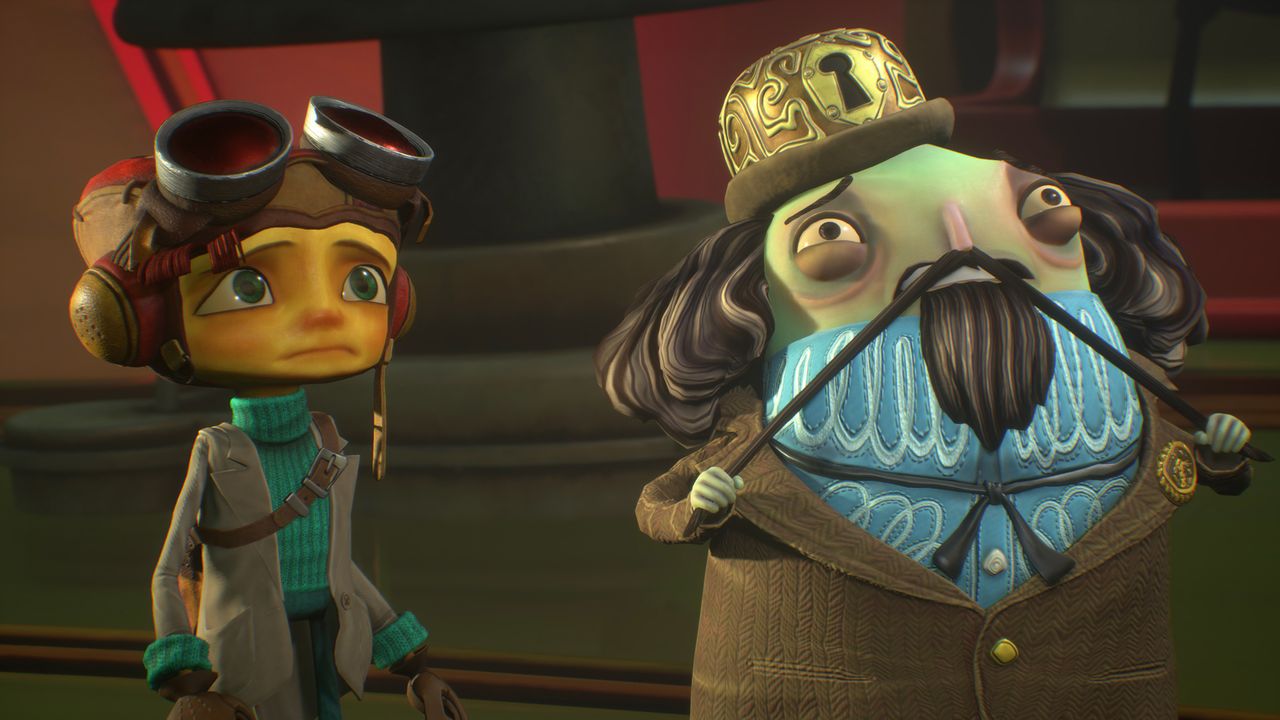
Microsoft acquired Double Fine in 2019 as part of Xbox’s aggressive studio acquisition strategy under gaming chief Phil Spencer. The purchase brought stability to the studio, allowing it to complete Psychonauts 2—a sequel nearly two decades in the making that released to widespread critical acclaim in 2021. Under Xbox ownership, Double Fine also published Keeper and Kiln, continuing to explore unique creative territories. However, the security of corporate ownership came with its own complications, as Double Fine became part of a massive gaming division that would later face significant restructuring.
Among those affected by today’s layoffs is Ben Johnson, a game designer who worked on Kiln. Johnson posted about the layoffs on Bluesky shortly before the news became public: “Layoffs hit Double Fine today, and I’m sorry to report that I was one of the ones hit. If you need a game designer with tech chops and 2+ decades of experience, here I am.” The departure of experienced developers like Johnson represents not just personal hardship but also a loss of institutional knowledge and creative talent that took years to cultivate.
Industry-Wide Turbulence Continues
Double Fine’s layoffs arrive amid unprecedented turmoil in the gaming industry. Xbox’s broader restructuring announced earlier this year will result in 3,200 employees losing their jobs across Microsoft’s gaming division. Double Fine was named as one of four studios set to return to independence as part of this restructuring, alongside other developers whose futures remain uncertain. An Xbox spokesperson clarified the situation in a statement to GamesRadar+: “Double Fine fully returned to independent management earlier this week, with their IP, catalog, and runway for their next games. As they begin their next chapter as an independent studio, we look forward to seeing what they create next.”
The gaming industry has witnessed an alarming wave of layoffs over the past two years, with estimates suggesting that over 25,000 game developers have lost their jobs since 2023. Major publishers including Electronic Arts, Ubisoft, Sony, and Microsoft have all implemented significant workforce reductions, while smaller studios have shuttered entirely. The crisis has sparked growing conversations about alternative business models, with some industry voices advocating for worker-owned cooperatives as a more sustainable path forward. Following Xbox’s mass layoffs, an id Software producer publicly stated that worker-owned studios represent “the only path forward” for an industry plagued by boom-and-bust cycles.
“The people we are losing were all important,” Schafer’s message concluded. “They all made an impact on our games and culture, and they will be missed. We are committed to supporting each affected person as best as we can, and we thank them for their hard work and commitment to the creative spirit we cherish here at Double Fine.” As the studio embarks on its journey as an independent entity once again, the coming months will reveal whether the smaller, leaner Double Fine can sustain itself while maintaining the creative spirit that has defined its work for over two decades.
Expert Opinion: Double Fine’s situation exemplifies the impossible position facing mid-tier studios in today’s gaming landscape: corporate ownership provides financial security but limits creative autonomy, while independence offers freedom but demands painful downsizing to achieve sustainability. The studio’s survival will likely depend on its ability to leverage its strong IP catalog and devoted fanbase while operating with significantly reduced overhead. This case may serve as a bellwether for other studios considering or forced into independence during the industry’s ongoing consolidation.