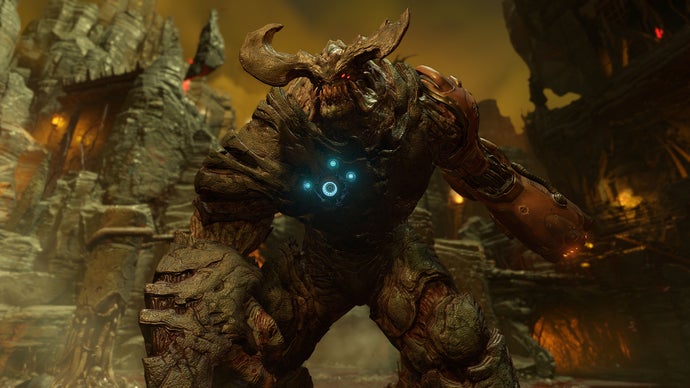
A senior developer at id Software has spoken out about the massive layoffs Microsoft has implemented at the legendary game studio, delivering a stark warning about the future of blockbuster game development. According to the developer’s assessment, it is simply “impossible” to create AAA titles like the critically acclaimed Doom (2016) with only half of the workforce that originally brought those games to life. The statement highlights growing concerns within the gaming industry about the sustainability of major studio operations amid widespread corporate cost-cutting measures.
The layoffs at id Software are part of a broader wave of job cuts that has swept through Microsoft’s gaming division following its historic $69 billion acquisition of Activision Blizzard in 2023. Since completing that deal, Microsoft has eliminated thousands of positions across its gaming studios, affecting teams from Bethesda to Blizzard Entertainment. For id Software, a studio with a legendary reputation built over more than three decades, these cuts represent an existential threat to its ability to continue producing the high-quality titles that have defined its legacy.
The Legacy of id Software and Its Groundbreaking Titles
Founded in 1991, id Software has been one of the most influential studios in gaming history. The company essentially invented the first-person shooter genre with titles like Wolfenstein 3D and the original Doom in 1993, which revolutionized gaming and established templates that developers still follow today. The studio continued to push technological boundaries with Quake, which pioneered true 3D graphics and online multiplayer gaming. When Doom (2016) launched after years of troubled development, it was hailed as a masterful return to form that proved id Software still had the talent and vision to compete at the highest levels of game development.
Creating modern AAA games requires enormous teams working in concert across multiple disciplines. The 2016 Doom reboot involved hundreds of developers working on everything from cutting-edge graphics technology to intricate level design and the game’s celebrated soundtrack. The subsequent Doom Eternal (2020) was even more ambitious, requiring similar resources to deliver its expanded scope and technical achievements. Industry analysts estimate that major titles of this caliber typically require budgets exceeding $100 million and development teams of 200-400 people working for three to five years.
The Human Cost of Corporate Consolidation
The developer’s comments underscore a fundamental tension in the gaming industry: the expectation of ever-more-impressive games delivered on tighter timelines, set against the reality of shrinking workforces and reduced budgets. When Microsoft acquired ZeniMax Media (id Software’s parent company) in 2021 for $7.5 billion, many hoped the tech giant’s deep pockets would provide stability and resources for ambitious new projects. Instead, the subsequent Activision acquisition appears to have triggered a period of aggressive cost reduction that has left many talented developers without jobs.
The impact extends beyond just the numbers. When experienced developers are laid off, studios lose institutional knowledge that cannot easily be replaced. Senior programmers, designers, and artists who understand a studio’s proprietary tools and creative processes represent years of accumulated expertise. For id Software specifically, the studio’s custom game engine, id Tech, requires specialized knowledge that departing employees take with them. Rebuilding that expertise with new hires, if positions are ever restored, would take considerable time and resources.
Industry-Wide Concerns About the Future
The situation at id Software reflects broader trends affecting the entire gaming industry. Since 2023, more than 20,000 gaming industry jobs have been eliminated globally, affecting studios large and small. Companies including Electronic Arts, Ubisoft, Sony, and Epic Games have all announced significant layoffs, suggesting that the problem extends far beyond any single corporation’s decisions. Industry observers point to a combination of factors: post-pandemic market corrections, rising development costs, and pressure from shareholders demanding improved profit margins regardless of the creative cost.
For fans of id Software’s games, the immediate concern is what this means for upcoming projects. The studio had been working on new content and potentially new titles, but with a dramatically reduced workforce, the scope and timeline of any such projects must inevitably change. Whether Microsoft will eventually restore staffing levels or continue to operate id Software as a diminished version of its former self remains an open question—one that will determine whether the studio that helped create modern gaming can continue to shape its future.
Expert Opinion: The gaming industry is experiencing a fundamental restructuring that prioritizes short-term financial metrics over long-term creative sustainability. Studios like id Software represent irreplaceable creative assets, and hollowing them out to satisfy quarterly earnings reports risks destroying the very franchises that make these acquisitions valuable in the first place. If Microsoft continues this approach, we may see a marked decline in the quality and ambition of games from studios that were once industry leaders.