
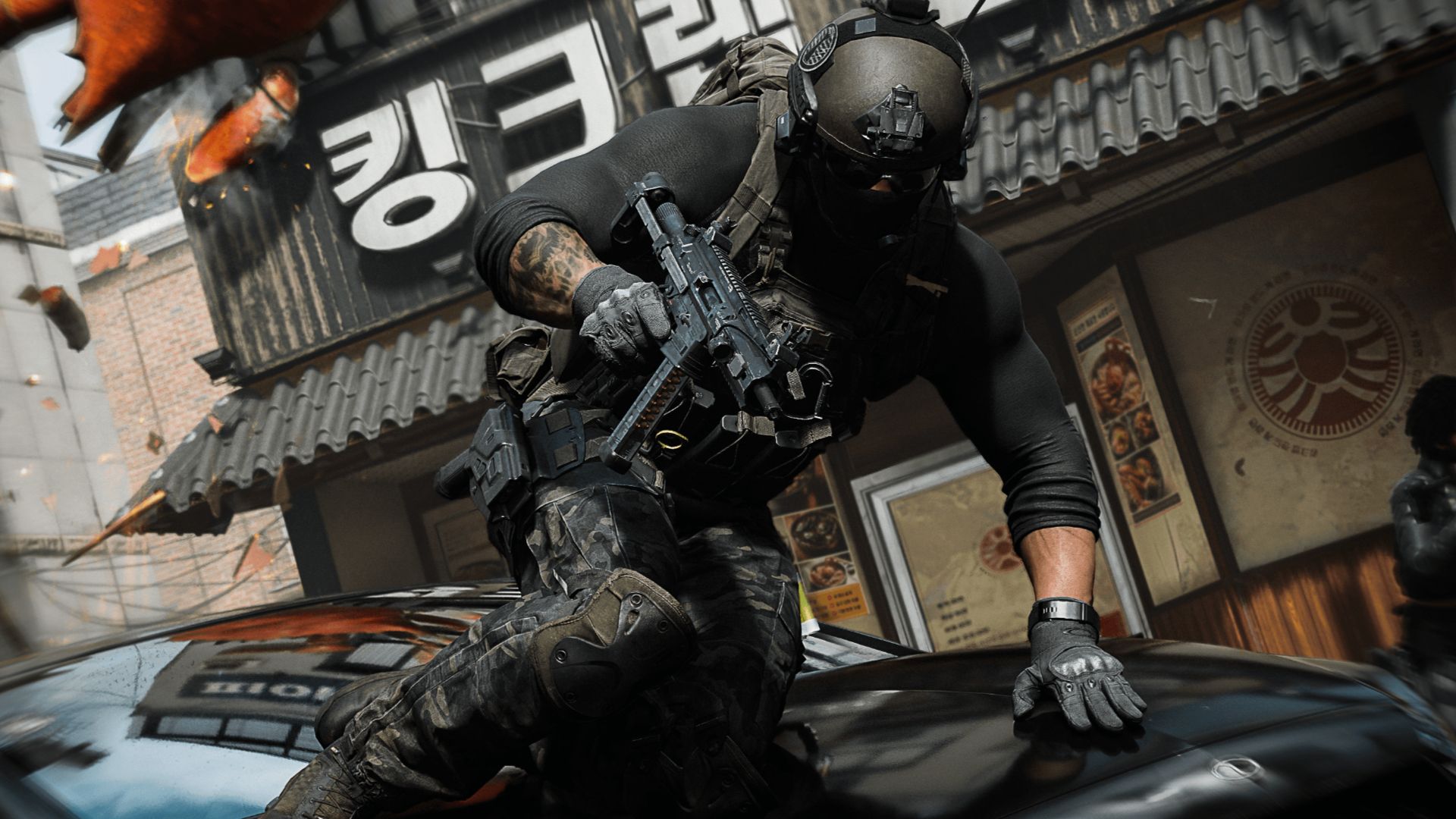
The gaming community has erupted in controversy following the discovery of what many players believe to be AI-generated artwork in Call of Duty: Modern Warfare 4. As the highly anticipated title’s Early Access multiplayer beta continues to attract thousands of eager participants, sharp-eyed fans have identified several suspicious in-game images that bear the telltale signs of generative artificial intelligence creation. The backlash highlights growing tensions between game developers seeking efficiency and players who value human artistry in their gaming experiences.
The controversy gained momentum on social media platforms and gaming forums, where players began sharing side-by-side comparisons and pointing out characteristic AI artifacts in various textures and promotional materials. Common indicators included unusual hand proportions, inconsistent lighting patterns, and the subtle distortions often associated with machine learning image generation tools. While Activision, the publisher behind the Call of Duty franchise, has not directly addressed these specific allegations, the company had previously acknowledged that generative AI tools were utilized in creating certain in-game assets for Modern Warfare 4.
Activision’s Prior Disclosure and Industry Trends
The revelation that AI tools contributed to Modern Warfare 4’s development was not entirely unexpected. Activision had already been transparent about incorporating generative AI into its production pipeline, joining a growing number of major game publishers experimenting with the technology. The gaming industry has increasingly turned to AI-assisted tools to manage the enormous workload required to create modern AAA titles, which often feature thousands of unique assets, textures, and visual elements. However, many players argue there is a significant difference between using AI for background assistance and deploying it for prominent, visible artwork.
This controversy arrives at a particularly sensitive time for the gaming industry, which has seen significant workforce reductions over the past two years. Thousands of artists, designers, and developers have lost their jobs amid industry-wide layoffs, leading many to view AI adoption with heightened suspicion. Critics argue that using AI-generated content in premium-priced games, which often sell for sixty to seventy dollars and include additional microtransactions, represents a troubling prioritization of cost-cutting over quality and fair employment practices.
Player Concerns and the Broader Debate
The player backlash extends beyond mere aesthetic concerns. Many fans express frustration that a franchise generating billions of dollars annually would seemingly cut corners on artistic content. Call of Duty remains one of the most profitable entertainment properties in the world, with annual releases consistently ranking among the best-selling games each year. The Modern Warfare sub-series, in particular, has been celebrated for its cinematic presentation and visual fidelity, making any perceived decline in artistic quality especially noticeable to dedicated fans.
Industry analysts suggest this controversy reflects a broader tension that will define gaming’s near future. As AI tools become more sophisticated, studios face difficult decisions about where to draw ethical and creative boundaries. Some developers have taken explicit stances against AI-generated content, using human-created assets as a selling point. Others view AI as an inevitable evolution in game development, similar to previous technological shifts. The outcome of controversies like this one may ultimately shape industry standards and consumer expectations for years to come.
What This Means for the Future of Gaming
As Modern Warfare 4 approaches its full release, Activision will likely need to address these concerns more directly. The company’s response could set important precedents for how major publishers handle AI disclosure and implementation. Meanwhile, players continue to debate whether AI-assisted development fundamentally undermines the artistic integrity of games they love, or whether such tools simply represent the next step in an industry that has always embraced technological innovation. What remains clear is that transparency and communication between developers and their communities will be essential in navigating this contentious new landscape.
Expert Opinion: The Modern Warfare 4 AI art controversy signals a pivotal moment for the gaming industry, where consumer trust and artistic authenticity are being weighed against production efficiency. Publishers who fail to establish clear ethical guidelines for AI use risk alienating core audiences who increasingly view human creativity as a value worth paying for. Expect to see more studios adopting explicit AI disclosure policies within the next year as player scrutiny intensifies.