As the Expeditions series moves into its fourth installment, Expeditions: Samurai demonstrates remarkable growth and maturation for this tactical role-playing franchise. While the series has historically been characterized as one that follows industry trends rather than pioneering new territory, this latest entry proves that thoughtful iteration can yield exceptional results. The game transports players to feudal Japan, marking the first time the franchise has ventured into Asian settings after previous adventures in Viking-era Scandinavia, Spanish conquistador-era Americas, and ancient Rome.
The Expeditions series, developed by Danish studio Logic Artists, has built a devoted following since its debut with Expeditions: Conquistador in 2013. That initial game caught attention for its unique blend of tactical combat, resource management, and moral decision-making set against the backdrop of the Spanish colonization of the Americas. Critics praised its willingness to tackle difficult historical themes while maintaining engaging gameplay mechanics. The studio followed up with Expeditions: Viking in 2017, which expanded the formula and introduced more refined combat systems alongside deeper narrative elements rooted in Norse culture and mythology.
A New Direction for the Franchise
Expeditions: Samurai represents the most ambitious leap yet for the franchise, both geographically and mechanically. Set during Japan’s tumultuous Sengoku period, often called the Warring States era, players assume the role of a young samurai navigating a landscape torn apart by civil war and political intrigue. This historical setting provides rich material for the game’s signature blend of tactical combat and consequential storytelling. The Sengoku period, spanning roughly from 1467 to 1615, was marked by near-constant military conflict, social upheaval, and the rise of legendary figures like Oda Nobunaga and Tokugawa Ieyasu.
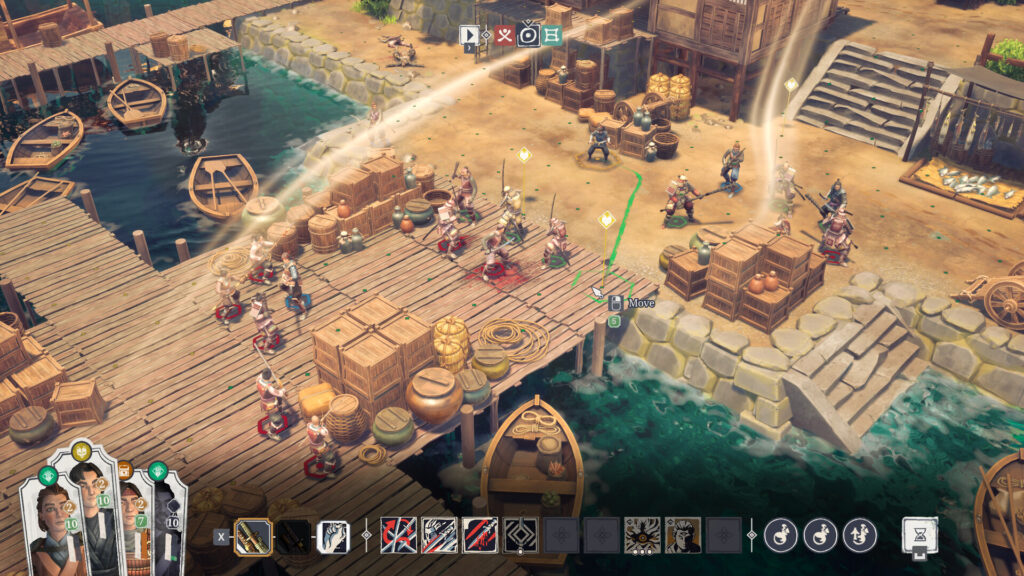
The development team has clearly invested significant effort in researching Japanese history, culture, and martial traditions. Combat mechanics have been refined to reflect the distinctive fighting styles of the samurai, incorporating elements like katana techniques, archery, and the strategic use of terrain. The game also introduces new systems around honor and reputation that tie directly into the social hierarchies of feudal Japan, where a warrior’s standing could mean the difference between life and death.
Building on Proven Foundations
What makes Expeditions: Samurai particularly noteworthy is how it builds upon lessons learned from previous entries. The developers have refined their approach to party management, making companion characters more distinctive and their personal storylines more integral to the main narrative. Resource management, always a cornerstone of the series, has been streamlined without losing its strategic depth. Players must still carefully balance supplies, manage troop morale, and make difficult decisions about how to allocate limited resources during their campaign.
The tactical combat system has evolved considerably since the franchise’s early days. Expeditions: Samurai introduces new mechanics that reward careful positioning and coordinated attacks, reflecting the disciplined nature of samurai warfare. Environmental factors play a greater role than ever before, with weather conditions, time of day, and terrain all affecting combat outcomes. These additions create a more immersive and strategically demanding experience that should satisfy both longtime fans and newcomers to the series.
The Future of Historical Tactical RPGs
The release of Expeditions: Samurai comes at an interesting time for the tactical RPG genre, which has seen renewed interest following the success of titles like Fire Emblem: Three Houses and the XCOM reboot series. Logic Artists has carved out a distinctive niche by focusing on historical settings rather than fantasy or science fiction, offering players educational value alongside entertainment. Each game in the series has served as a gateway to exploring fascinating periods of world history that mainstream gaming often overlooks.
Looking ahead, the success of Expeditions: Samurai could open doors for the franchise to explore other underrepresented historical settings. Fans have long speculated about potential future entries set in ancient China, the Ottoman Empire, or even the American frontier. Whatever direction the series takes next, this fourth installment demonstrates that Logic Artists has perfected their formula and established Expeditions as one of the premier historical tactical RPG franchises in gaming today.
Expert Opinion: Expeditions: Samurai represents a significant milestone for both the franchise and the historical tactics genre as a whole. By venturing into feudal Japan, Logic Artists demonstrates confidence in their formula while showing willingness to take creative risks. This entry could serve as a breakthrough moment, potentially attracting a wider audience who may have overlooked the series’ previous Western-focused settings, particularly given the enduring global fascination with samurai culture.