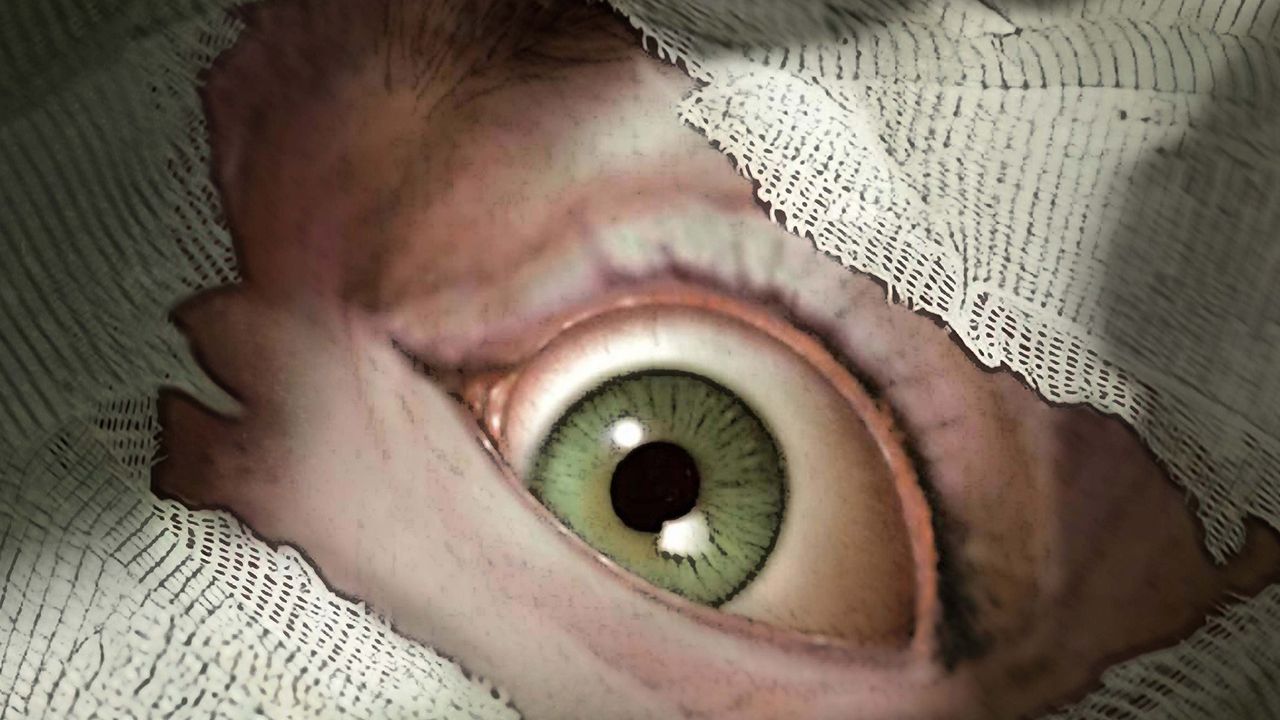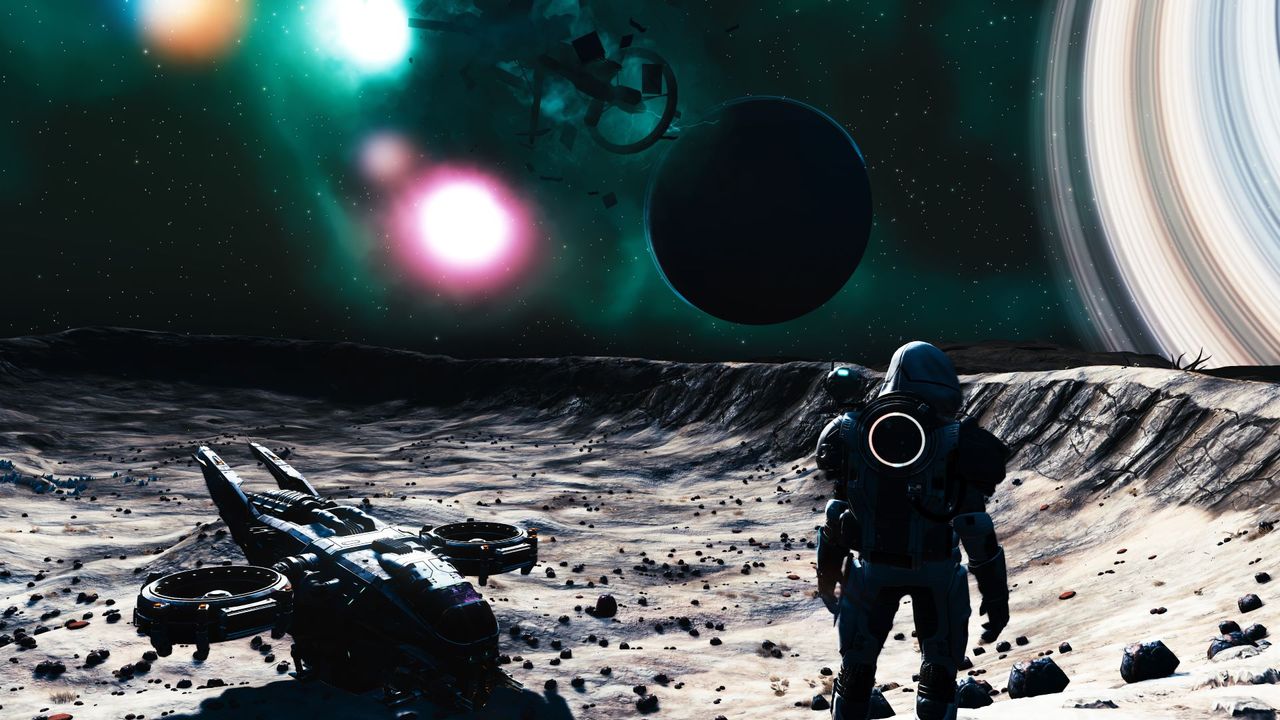
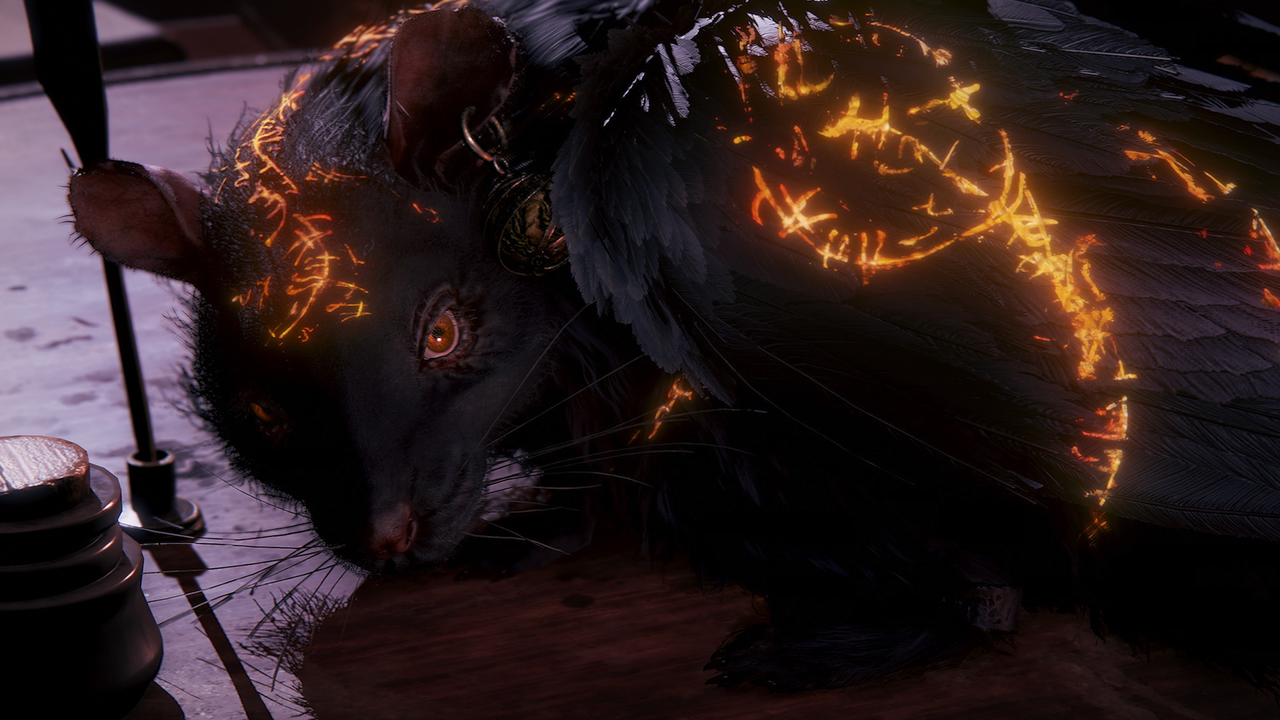
The development team at FromSoftware breathed a collective sigh of relief when Nintendo unveiled the Switch 2, as the legendary Japanese studio had been wrestling with significant technical challenges trying to get their upcoming multiplayer title The Duskbloods running on the original Switch hardware. Game director Hidetaka Miyazaki, widely regarded as one of the most influential game designers of his generation, revealed in a recent interview with The Verge that the project actually began development on the base Switch console back in 2021, years before the gaming world learned about Nintendo’s next-generation handheld hybrid.
According to Miyazaki, the studio behind beloved franchises like Elden Ring and Dark Souls found itself in a precarious position as development progressed. The original Switch, which launched in 2017 with hardware specifications that were considered modest even at the time of release, simply couldn’t handle what FromSoftware was attempting to create. “We were definitely very happy when we heard about the Switch 2, because we were thinking, ‘How are we going to do this?'” Miyazaki candidly told the publication. “The Switch 2 came along and all of those problems were solved.” This revelation provides fascinating insight into the often-hidden struggles that developers face when working with hardware limitations.
A History of Technical Challenges
FromSoftware’s struggles with hardware optimization are not entirely surprising to industry observers. The studio has historically prioritized artistic vision and gameplay innovation over technical polish, resulting in games that sometimes suffer from performance issues even on powerful hardware. The original Dark Souls, released in 2011, was notorious for its frame rate problems on console, while the PC port was widely criticized for its poor optimization. Even Elden Ring, the studio’s most commercially successful title with over 25 million copies sold, launched with performance issues that required multiple patches to address. The notion of running a new FromSoftware title on the comparatively underpowered original Switch would have been an enormous technical undertaking.
The original Nintendo Switch, despite its revolutionary hybrid design that allowed players to seamlessly transition between television and handheld play, was built around an NVIDIA Tegra X1 processor that was already showing its age by the time The Duskbloods entered development. Many third-party developers chose to release cloud versions of demanding games on the platform rather than attempt native ports. The Switch 2, while Nintendo has been characteristically secretive about its full specifications, is expected to offer a substantial leap in processing power that will allow developers significantly more creative freedom.
Nintendo Steps In as Development Partner
Perhaps even more significant than the hardware upgrade is the collaborative relationship that has developed between FromSoftware and Nintendo. Miyazaki revealed that Nintendo has been providing substantial support in areas where his studio has historically struggled. “The Duskbloods is a challenging game for us,” he acknowledged. “There are a lot of new things in terms of designing the systems and the rules, and it requires a lot of fine-tuning and adjustments, and Nintendo has provided a lot of support in that regard.” This partnership marks a notable departure for FromSoftware, which has traditionally operated with significant creative independence.
One area where Nintendo’s expertise has proven particularly valuable is in player onboarding and tutorial design. FromSoftware games are famously cryptic, often dropping players into hostile worlds with minimal explanation of mechanics or objectives. While this approach has become part of the studio’s signature style and appeal, it presents unique challenges for a competitive multiplayer game where players need to quickly understand rules and systems to participate effectively. “Things like onboarding and tutorials for players are something that we are historically not great at, so the support they’ve provided in that regard has been very, very good,” Miyazaki admitted. Nintendo, with decades of experience creating accessible games for players of all skill levels, brings invaluable expertise to this aspect of development.
A New Direction for the Soulslike Pioneer
The Duskbloods represents a significant departure from FromSoftware’s traditional single-player focused experiences. While the studio has included multiplayer elements in previous titles, including cooperative summoning and player invasion systems in the Souls series, a dedicated competitive multiplayer game is uncharted territory. Miyazaki has confirmed that the game will feature skill-based matchmaking, stating that the team “definitely plan on having the matchmaking system work in a way so that it’s ranked.” This commitment to competitive integrity suggests FromSoftware is taking the multiplayer aspect seriously and aiming to create a sustainable competitive ecosystem.
The decision to make The Duskbloods a Switch 2 exclusive is also noteworthy, as FromSoftware titles have traditionally been multiplatform releases. This exclusivity deal likely reflects Nintendo’s aggressive strategy to secure compelling software for their new hardware launch window, as well as the deep collaborative relationship that developed during the game’s troubled early development. For Nintendo, having a title from one of gaming’s most respected and commercially successful studios as an exclusive represents a significant coup that could help drive Switch 2 sales among the core gaming audience that has traditionally gravitated toward PlayStation and Xbox platforms.
Expert Opinion: The partnership between FromSoftware and Nintendo represents a fascinating convergence of two companies with very different design philosophies. Nintendo’s expertise in accessibility and polish combined with FromSoftware’s reputation for challenging, rewarding gameplay could result in a title that appeals to both casual Nintendo fans and hardcore Souls enthusiasts. If successful, this collaboration could signal a new era of strategic partnerships between platform holders and prestigious third-party developers seeking to create distinctive exclusive content.