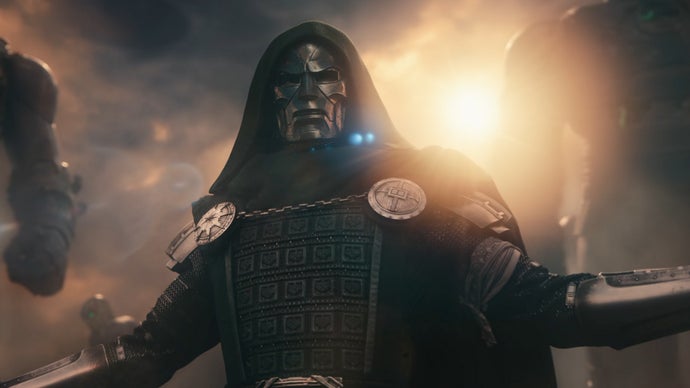
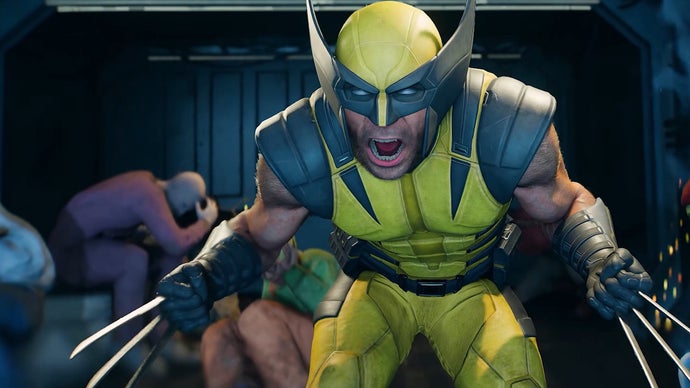
In a move that could fundamentally reshape the entertainment landscape, Disney’s strategic investment in Epic Games is beginning to reveal its ambitious scope. Two and a half years ago, the entertainment giant poured $1.5 billion into the company behind Fortnite, signaling a major commitment to the future of interactive entertainment. The partnership aims to create what both companies describe as a universe that seamlessly blends gaming, storytelling, and community creative expression into a unified experience.
This collaboration represents more than just a financial investment—it appears to be Disney’s most significant foray into the gaming world since the company shuttered its own game development studios in 2016. The partnership with Epic Games, which also operates the popular Epic Games Store and develops the widely-used Unreal Engine, positions Disney at the forefront of what many industry analysts believe will be the next evolution of digital entertainment.
The Vision Behind the Investment
The stated goal of creating a universe that merges gaming with storytelling and community creativity bears unmistakable similarities to the metaverse concept that dominated tech conversations in recent years. While the metaverse hype has cooled considerably since its peak in 2021-2022, the fundamental ideas behind it—persistent digital worlds, user-generated content, and social interaction within virtual spaces—remain compelling to major entertainment companies seeking new revenue streams and engagement models.
Epic Games brings formidable assets to this partnership. Fortnite has evolved far beyond its battle royale origins to become a cultural platform hosting virtual concerts, movie screenings, and brand activations. The game’s Creative mode allows users to build their own experiences, while Unreal Engine powers countless games and increasingly finds applications in film production, architecture, and other industries. Disney, meanwhile, controls some of the most valuable intellectual properties in entertainment history, including Marvel, Star Wars, Pixar, and its classic animation catalog.
Industry Context and Historical Perspective
Disney’s path in the gaming industry has been turbulent. The company closed Disney Interactive Studios in 2016 after years of losses, ending its ambitions as a game publisher. The beloved Disney Infinity franchise, which combined physical toys with digital gameplay, was discontinued despite strong fan support. Since then, Disney has primarily licensed its properties to third-party developers rather than creating games in-house. This Epic Games partnership represents a strategic middle ground—significant involvement without the operational risks of running game studios directly.
The timing of this investment also reflects broader industry trends. The global gaming market generates more revenue than film and music combined, making it impossible for entertainment conglomerates to ignore. Meanwhile, younger generations increasingly view games not just as entertainment but as social spaces where they connect with friends and express themselves creatively. Epic Games CEO Tim Sweeney has long championed an open metaverse concept, making the company an ideological fit for Disney’s ambitions.
Challenges and Future Prospects
Despite the exciting possibilities, significant challenges remain. Creating truly seamless experiences that blend passive storytelling with interactive gameplay has proven difficult for many companies. Additionally, the regulatory landscape for digital platforms targeting younger audiences continues to evolve, potentially affecting how such a unified entertainment universe could operate. Privacy concerns, content moderation, and monetization practices will all require careful navigation.
Industry observers remain cautiously optimistic about the partnership’s potential. The combination of Disney’s storytelling expertise and beloved characters with Epic’s technical infrastructure and gaming community could indeed produce something unprecedented. Whether this materializes as a metaverse-style persistent world or something entirely new remains to be seen. What seems certain is that both companies are betting heavily on the convergence of gaming and traditional entertainment as the future of how audiences—particularly younger ones—will consume content in the decades ahead.
Expert Opinion: This partnership represents a calculated bet on the evolution of entertainment consumption, where the lines between watching, playing, and creating continue to blur. While metaverse enthusiasm has waned publicly, the underlying infrastructure investments by companies like Disney and Epic suggest the industry still believes in some form of persistent, interactive digital worlds. The key question is whether they can deliver experiences compelling enough to justify the massive investments being made—success here could define entertainment for the next generation.