
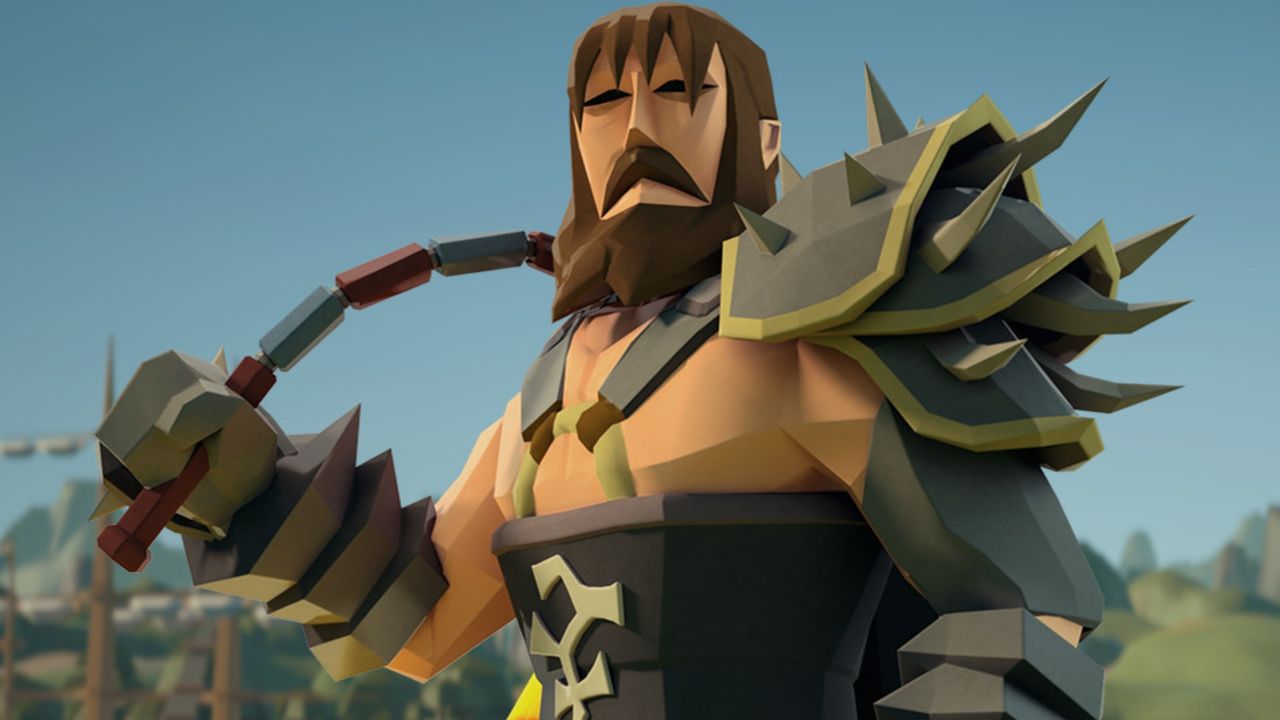
In a remarkable testament to gaming nostalgia and community-driven development, Old School RuneScape continues to defy industry expectations by setting new subscriber records more than a decade after its unconventional launch. The retro version of the iconic MMORPG, which began its second life when a developer literally found backup server files from 2007 in their desk drawer, has become one of the most enduring success stories in online gaming. At Jagex’s recent Deadman All Stars event in June — the studio’s first major live event held outside the United Kingdom — Creative Director Kieren Charles shared insights into how the team maintains this beloved fork of the 25-year-old franchise while navigating its unexpected resurgence.
The Deadman All Stars tournament, a high-stakes PvP competition that draws thousands of viewers and participants, represented a significant milestone for Jagex as their largest live event to date. The event showcased just how far Old School RuneScape has come from its humble beginnings as a nostalgic experiment to become a cornerstone of the company’s business strategy. Charles, who has been instrumental in shaping the game’s direction, emphasized the unique philosophy required to maintain a game that exists specifically because players rejected modernization in favor of classic gameplay mechanics.
From Desk Drawer Discovery to Gaming Phenomenon
The origin story of Old School RuneScape reads almost like gaming folklore. In 2013, Jagex was facing significant player backlash against changes made to the main RuneScape game, particularly the Evolution of Combat update that fundamentally altered the game’s combat system. Players who had grown up with the original point-and-click mechanics felt alienated, and subscription numbers reflected their discontent. The solution came from an unexpected source: a developer discovered archived server backups from August 2007 stored away in a desk drawer. This serendipitous find gave Jagex the opportunity to offer players exactly what they wanted — a preserved version of the game from its perceived golden age.
What began as a temporary measure to appease nostalgic players quickly evolved into something much larger. Jagex initially launched the 2007 servers with minimal expectations, but player enthusiasm exceeded all projections. The company implemented a unique democratic system where significant changes to the game require approval from at least 75% of the player base through in-game polls. This approach has fostered an unusually strong bond between developers and the community, creating a collaborative environment rarely seen in the gaming industry. Over the years, Old School RuneScape has received substantial content updates while maintaining its retro aesthetic and core gameplay philosophy.
A Quarter Century of RuneScape Legacy
RuneScape’s journey spans an remarkable 25 years, making it one of the longest-running MMORPGs in gaming history. Originally developed by brothers Andrew and Paul Gower, the game launched in January 2001 and quickly became a cultural phenomenon, particularly among younger players who appreciated its browser-based accessibility. At its peak, RuneScape boasted over 200 million registered accounts, introducing countless players to the MMORPG genre. The game’s influence on online gaming culture cannot be overstated — it pioneered free-to-play models with premium subscriptions and demonstrated that compelling gameplay could overcome technical limitations.
The relationship between the main RuneScape game (now often called RuneScape 3) and Old School RuneScape represents a fascinating case study in game preservation and player agency. While RuneScape 3 continues to evolve with modern graphics and updated mechanics, Old School RuneScape deliberately embraces its dated appearance and traditional gameplay systems. This dual approach allows Jagex to cater to different player preferences while maintaining two distinct but interconnected communities. The success of this strategy has influenced how other gaming companies approach legacy versions of their titles, with some citing Jagex’s model as inspiration for their own classic server initiatives.
Looking Forward While Honoring the Past
Charles’s philosophy for managing Old School RuneScape centers on respecting the delicate balance between preservation and progress. The development team faces the constant challenge of introducing new content that feels authentic to the 2007 era while keeping the game fresh enough to attract new players. Recent updates have added entirely new regions, quests, and activities, all designed to seamlessly integrate with the existing game world. The upcoming Deadman mode changes and seasonal events demonstrate Jagex’s commitment to keeping the competitive scene vibrant while maintaining the core experience that brought players back in the first place.
As Old School RuneScape enters its thirteenth year, the game’s future looks surprisingly bright. The record subscriber numbers suggest that nostalgia alone cannot explain the game’s continued success — rather, it’s the combination of preserved charm and thoughtful evolution that keeps players engaged. With Jagex expanding its live events globally and continuing to invest in both versions of RuneScape, the desk drawer discovery that saved a gaming legacy continues to pay dividends more than a decade later.
Expert Opinion: The sustained success of Old School RuneScape demonstrates that the gaming industry often underestimates the value of preservation and player autonomy. As live-service games increasingly prioritize rapid iteration over stability, OSRS’s democratic polling system and commitment to core gameplay principles offer a compelling alternative model. This approach may become increasingly relevant as more classic games reach milestone anniversaries and companies seek sustainable ways to monetize beloved intellectual properties without alienating their most dedicated fans.