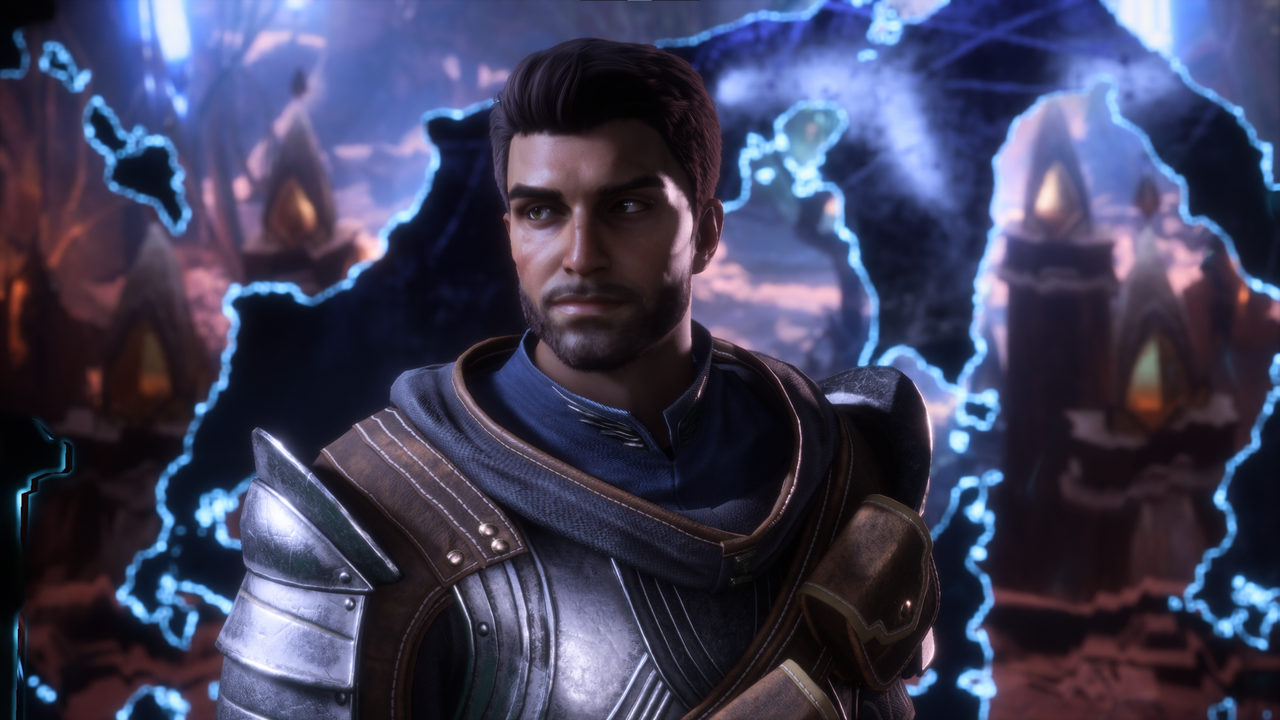
The future of BioWare’s beloved Dragon Age franchise appears increasingly uncertain, according to Mark Darrah, a veteran producer who spent over two decades at the legendary RPG studio. In a recent interview with FRVR, Darrah painted a sobering picture of the challenges facing any potential revival of the epic fantasy series, citing EA’s complicated relationship with game development and the publisher’s growing collection of abandoned intellectual properties. His candid assessment offers a rare insider’s perspective on the internal politics and business pressures that have contributed to the struggles of one of gaming’s most celebrated RPG franchises.
The Dragon Age series, which debuted in 2009 with the critically acclaimed Origins, has experienced a turbulent journey in recent years. Despite Dragon Age: Inquisition achieving both critical and commercial success upon its 2014 release, winning numerous Game of the Year awards and selling millions of copies, the franchise’s momentum stalled dramatically. The decade-long gap between Inquisition and its successor, Dragon Age: The Veilguard, was marked by multiple internal reboots and shifting creative visions. When The Veilguard finally launched in 2024, it arrived to underwhelming sales figures, failing to capture the magic that made its predecessors so memorable for millions of RPG enthusiasts worldwide.
EA’s Video Game Hobby: A Hedge Fund’s Reluctant Investment
Darrah’s criticism of EA extends beyond simple business disagreements to fundamental questions about the publisher’s priorities. He recounted a particularly cutting description shared with him: “Someone once described to me EA as a hedge fund with a video game hobby that it wished it didn’t spend so much money on, and I think that remains true.” This characterization speaks to broader concerns within the gaming industry about the tension between creative ambition and corporate profit expectations. EA, one of the world’s largest video game publishers, has faced increasing scrutiny over its treatment of beloved franchises and the studios that created them. The company’s history includes the closure of numerous acclaimed developers, including Visceral Games, Maxis, and others that produced some of gaming’s most innovative titles.
The situation at BioWare itself has become increasingly precarious. The Edmonton-based studio, founded in 1995 and acquired by EA in 2007, has weathered multiple rounds of mass layoffs in recent years. These workforce reductions have stripped away institutional knowledge and creative talent that accumulated over decades of groundbreaking RPG development. Darrah expressed serious doubts about whether the current BioWare team possesses either the bandwidth or the organizational will to pitch another Dragon Age project, especially while the studio simultaneously develops its next Mass Effect installment. The parallel development of two massive RPG franchises would represent an enormous undertaking even for a studio at full strength.
The Graveyard of Dormant Franchises
Perhaps most troubling is Darrah’s observation that “EA owns a frightening number of IPs that are dormant.” Dragon Age now finds itself in the company of other once-thriving franchises that have been shelved indefinitely. Titanfall, the acclaimed first-person shooter series developed by Respawn Entertainment, hasn’t seen a mainline entry since 2016 despite its innovative gameplay and devoted fanbase. Mirror’s Edge, the revolutionary parkour action game, remains frozen after its 2016 reboot underperformed expectations. Dead Space, Command & Conquer, and countless other beloved properties sit gathering dust in EA’s extensive vault, their futures uncertain at best.
The internal politics surrounding any potential Dragon Age revival add another layer of complexity. Darrah suggests that even if another EA studio attempted to pitch a Dragon Age project, territorial conflicts would likely derail such efforts. “What I expect would happen if they try to do that, is somebody at BioWare would essentially become one of those people jumping under the vents to rip that person apart,” he explained, using vivid imagery to describe the protective instincts that studios maintain over their flagship properties. This defensive posture, while understandable from a creative ownership perspective, effectively creates a deadlock where neither BioWare nor any other EA division can easily advance the franchise.
Saudi Investment and an Uncertain Future
Complicating the situation further is the proposed buyout of EA by a consortium of investment firms led by the Saudi Arabian Public Investment Fund. This potential acquisition introduces profound uncertainty about the future direction of both EA and its subsidiary studios. Darrah openly questions whether new ownership would maintain any interest in BioWare or its RPG portfolio: “I could argue yes and no… do you want BioWare at all in this world?” The involvement of sovereign wealth funds in gaming acquisitions has become increasingly common, raising questions about creative independence and long-term strategic vision for acquired properties.
Despite these challenges, the Dragon Age community remains remarkably resilient. Fans continue to engage with the existing games through modding communities, fan fiction, and ongoing discussions about the series’ rich lore and characters. Darrah himself acknowledged this dedication, noting that fans are actively working to expand and preserve the Dragon Age universe even as official development appears stalled. Whether this passionate community will eventually see another official entry in the franchise remains an open question, one that depends on factors ranging from corporate restructuring to the broader economics of AAA game development in an increasingly challenging market.
Expert Opinion: The Dragon Age situation exemplifies a troubling pattern in the gaming industry where corporate consolidation and risk-averse investment strategies increasingly conflict with creative franchise development. If EA’s proposed acquisition proceeds, the new ownership will face a critical decision about whether to revitalize dormant properties or continue prioritizing live-service monetization models. The next 18-24 months will likely determine not just Dragon Age’s fate, but BioWare’s continued existence as a meaningful force in RPG development.