After more than four decades of pioneering work in the video game industry, legendary developer Warren Specter has announced his retirement. However, as he prepares to step away from the gaming world, Specter is making one final stand — ensuring that the creative team behind his 2010 masterpiece Epic Mickey receives proper recognition for their groundbreaking work in reviving one of Walt Disney’s earliest and most forgotten animated characters. The timing of his plea comes as Disney prepares to launch a new Oswald the Lucky Rabbit miniseries on Disney+, which Specter fears may overshadow the video game’s pivotal role in the character’s resurrection.
The story of Oswald the Lucky Rabbit is one of the most fascinating tales in animation history. Created by Walt Disney and legendary animator Ub Iwerks in 1927, Oswald was Disney’s first major cartoon star. The character appeared in a series of successful animated shorts for Universal Pictures, but in 1928, Disney lost the rights to Oswald in a devastating contractual dispute with producer Charles Mintz. This loss became a defining moment in entertainment history — rather than surrender to defeat, Disney and Iwerks channeled their creativity into developing a new character: Mickey Mouse. The rest, as they say, is history, with Mickey becoming the most recognizable animated character in the world and the face of the Disney empire.
The Epic Mickey Development That Changed Everything
The journey to bring Oswald back to Disney began unexpectedly in the gaming world. In 2003, Warren Specter’s development document for what would become Epic Mickey reportedly caught the attention of then-Disney president Bob Iger. The detailed pitch, which envisioned a darker, more adventurous take on the Disney universe featuring the forgotten Oswald character, sparked a chain of events that would culminate in one of the most unusual entertainment deals ever made. In 2006, with Iger now serving as Disney’s CEO, the company negotiated a trade with NBCUniversal that brought Oswald home to Disney for the first time in nearly 80 years — in exchange for the broadcast rights to sportscaster Al Michaels. The deal remains one of the most talked-about trades in entertainment history.
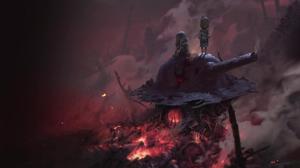
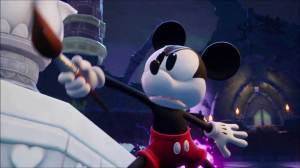
Epic Mickey, released in 2010 for the Nintendo Wii, marked Oswald’s first appearance in a Disney production since 1928 — an incredible 82-year absence. The game cast players as Mickey Mouse exploring a twisted wasteland called Wasteland, populated by forgotten Disney characters. Central to the story was Oswald, portrayed as a bitter, complex figure who resented Mickey for achieving the fame that might have been his. The game received positive reviews for its creative vision, atmospheric storytelling, and the emotional depth it brought to Disney’s legacy characters. Its sequel, Epic Mickey: The Power of Two, released in 2012, went even further by giving Oswald his first speaking role in Disney history and expanding the character of Ortensia, Oswald’s longtime love interest from the original 1920s cartoons.
A Developer’s Plea for Recognition
Specter’s recent comments on LinkedIn express a mixture of excitement and frustration. While he says he is looking forward to the upcoming Disney+ miniseries featuring Oswald, he is troubled by the narrative surrounding the character’s return. “I’m seriously looking forward to [the miniseries], but it seems as if people are looking at it as the debut of the character,” Specter wrote. “Call me small-minded but that ain’t right.” His concern reflects a broader issue in the entertainment industry, where video games — despite their massive cultural impact — are often overlooked when discussing the histories of beloved characters and franchises.
The veteran developer, whose illustrious career includes work on groundbreaking titles like Deus Ex and System Shock, emphasized that his team’s contributions deserve acknowledgment. “I have to admit that I’m a little bitter about the lack of credit the team gets for all this,” Specter admitted. “I was blown away that Disney trusted us and saw fit to reintroduce the little guy in a game. But the team did a great job and deserves to be recognized for it before Hollywood makes people forget the games ever existed.” His words underscore a recurring tension between the gaming industry and traditional Hollywood entertainment, where gaming achievements frequently go unrecognized in mainstream cultural conversations.
The Legacy Continues With Epic Mickey Rebrushed
In 2024, Epic Mickey received a modern remaster titled Epic Mickey Rebrushed, introducing the game to a new generation of players on contemporary platforms. The remaster brought updated graphics and controls while preserving the original’s creative spirit. Around that time, Specter acknowledged that while Epic Mickey 3 was unlikely to happen, he still harbored ideas for an unmade sequel that would continue the story of Mickey and Oswald. The remaster’s release demonstrated that there remains genuine interest in this corner of Disney’s gaming history, even as the company pursues new projects featuring the newly restored rabbit character.
As Warren Specter closes the chapter on his remarkable career, his advocacy for the Epic Mickey team serves as an important reminder of the video game industry’s often-underappreciated role in preserving and revitalizing beloved characters. The team at Junction Point Studios not only created an entertaining game but also helped bring a piece of Disney history back from the brink of obscurity. Whether Disney’s upcoming projects acknowledge this gaming legacy remains to be seen, but thanks to Specter’s outspoken advocacy, the conversation about Oswald’s true modern debut is now firmly in the public discourse.
Expert Opinion: Warren Specter’s concerns highlight a significant cultural gap between gaming and traditional entertainment industries. As video games continue to generate more revenue than film and music combined, the industry’s contributions to character development and storytelling deserve equal recognition. Disney would be wise to acknowledge Epic Mickey’s role in Oswald’s revival, as doing so would strengthen ties with the gaming community and honor the creative vision that made the rabbit’s return possible in the first place.