
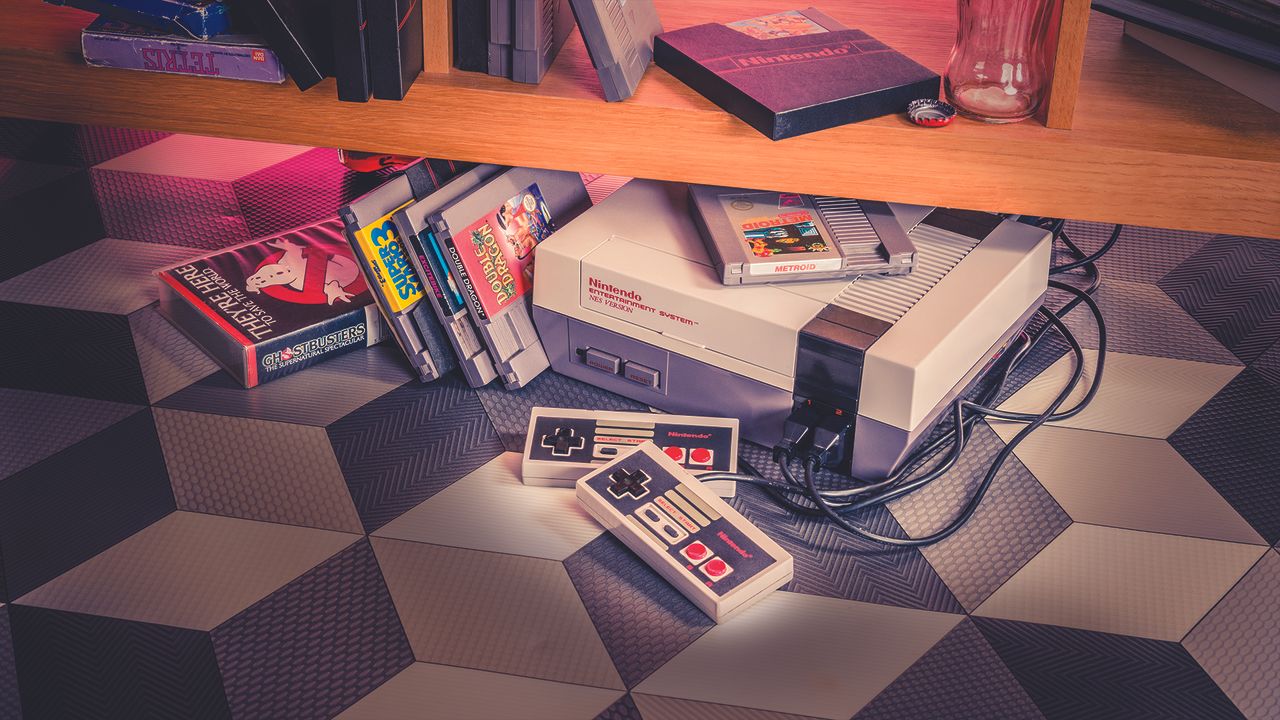
In a fascinating reflection on Nintendo’s history, legendary game designer Shigeru Miyamoto has revealed the ambitious thinking behind the Nintendo Entertainment System’s development. The iconic creator, often referred to as “Mario’s dad,” explained that Nintendo deliberately positioned the NES – known as the Family Computer or Famicom in Japan – to challenge the prevailing notion that home consoles were merely toys. Originally released in Japan in 1983, the console would go on to revolutionize the gaming industry and establish Nintendo as a dominant force in home entertainment that continues to this day.
In a recent interview with Japanese gaming publication Famitsu, translated by GamesRadar+, Miyamoto provided rare insight into the strategic decisions that shaped Nintendo’s transition from arcade gaming to home consoles. The move represented a significant pivot for the company, which had found tremendous success with arcade cabinets featuring games like Donkey Kong and Mario Bros. “At the arcades people can’t just spend money like water, so the idea for the Famicom came from the thought that ‘they’d be able to play as many times as they wanted if they had this game at home,'” Miyamoto explained, highlighting the consumer-friendly philosophy that would become a hallmark of Nintendo’s approach.
The Early Console Landscape and PC Competition
Miyamoto’s comments shed light on the competitive landscape of early 1980s home entertainment technology. While the NES is often credited with single-handedly reviving the video game industry after the crash of 1983, it entered a market that already had established players. “There were already things out there called ‘home consoles’ and PCs like the NEC’s PC-6001 or the MSX came out around the same time as the Famicom,” Miyamoto recalled. Previous home consoles like the Magnavox Odyssey, released in 1972 as the first commercial home video game console, and the Atari 2600, which dominated the late 1970s, had established the category but lacked the sophisticated gaming experiences that arcades offered.
The perception gap between personal computers and gaming consoles was significant during this era. “However, PCs were held in higher regard than consoles, which were ‘just toys,'” Miyamoto noted. This distinction was particularly pronounced in Japan, where personal computers were seen as serious, multifunctional devices for education and productivity, while gaming consoles were viewed as frivolous entertainment for children. This cultural perception created a challenge for Nintendo, which needed to convince consumers that their product offered genuine value beyond simple amusement.
Bridging the Gap Between Toy and Technology
The key to Nintendo’s strategy, according to Miyamoto, was delivering gameplay experiences that rivaled what players could find in arcades. By focusing on quality game design and hardware capable of running sophisticated titles, the Famicom could transcend its categorization as a mere plaything. “I think the Famicom bridged the gap between console and PC as it was a toy, but also it wasn’t just a toy,” Miyamoto explained. “If you can port games to it that are almost as good as the arcade versions, then I don’t think it’s just a toy.” This philosophy led to the development of landmark titles like Super Mario Bros., The Legend of Zelda, and Metroid, which demonstrated that home consoles could offer deep, engaging experiences.
The impact of this approach cannot be overstated. The NES sold over 61 million units worldwide and established franchises that remain among the most valuable in entertainment history. Nintendo’s commitment to quality over mere spectacle created a template that the company continues to follow with modern hardware like the Nintendo Switch. Miyamoto also expressed hope for Nintendo’s future, noting that he knows some fans have “multiple Nintendo consoles at home” and hopes that will become “the norm” in the future, calling it “the best scenario.” This vision reflects Nintendo’s ongoing strategy of creating unique gaming experiences that complement rather than directly compete with other platforms, ensuring that their consoles remain essential purchases for gaming enthusiasts worldwide.
Expert Opinion: Miyamoto’s revelations underscore a crucial lesson in product positioning that remains relevant today: success often comes from redefining categories rather than accepting existing limitations. Nintendo’s approach of treating the Famicom as a serious gaming platform rather than a disposable toy created the foundation for the modern console industry. As the gaming landscape continues to evolve with cloud gaming and mobile platforms, Nintendo’s historical commitment to delivering unique, quality experiences suggests the company will continue finding ways to remain relevant by carving out its own distinct market position.