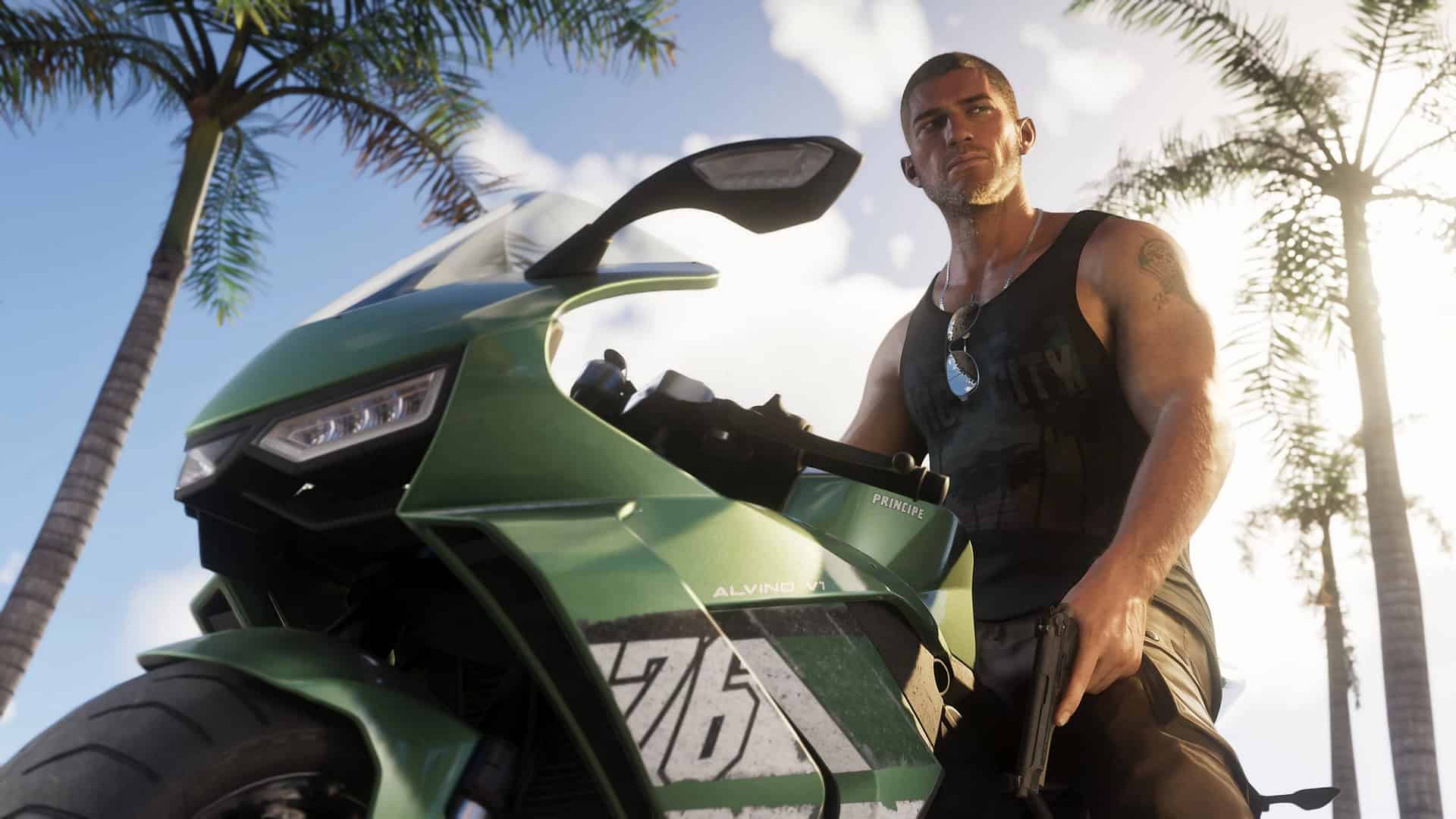
Paying $80 for a video game might sound expensive to many consumers, but Take-Two Interactive CEO Strauss Zelnick firmly believes that Grand Theft Auto 6 will deliver extraordinary value for players when it launches. In recent statements, Zelnick has defended the premium price point, arguing that the sheer amount of content and entertainment hours the game will provide makes it a worthwhile investment. The upcoming title from Rockstar Games has been one of the most anticipated releases in gaming history, and the company appears confident that fans will embrace the higher cost once they experience what the game has to offer.
The $80 price tag represents a significant shift in the gaming industry’s standard pricing model. For decades, the baseline price for major console releases remained steady at $60 in the United States. However, with the launch of the current console generation featuring PlayStation 5 and Xbox Series X, several major publishers began experimenting with $70 price points. Take-Two’s decision to push this boundary even further with an $80 standard edition signals what many industry analysts believe could become the new normal for blockbuster game releases.
The Economics Behind Rising Game Prices
The economics of modern game development help explain why publishers are pushing for higher prices. Creating a AAA title today requires enormous investments in talent, technology, and time. GTA 6 has reportedly been in development for over six years, with thousands of employees working across multiple Rockstar studios worldwide. Industry estimates suggest the total development and marketing budget for the game could exceed $1 billion, making it potentially the most expensive entertainment product ever created. When viewed through this lens, publishers argue that a modest price increase is justified to maintain quality and profitability.
Historically, video game prices have actually decreased when adjusted for inflation. The original Super Mario Bros. cost $50 when it launched in 1985, which would be equivalent to approximately $140 in today’s dollars. Many games from the Nintendo 64 and early PlayStation era retailed for $60 or more, meaning consumers have been getting increasingly better value over the decades despite rising development costs. Zelnick and other industry executives have made this point repeatedly when defending price increases, suggesting that gamers have benefited from remarkably stable pricing for far longer than most entertainment sectors.
Consumer Reception and Market Expectations
Despite executive justifications, consumer reaction to higher prices remains mixed. Many players have expressed frustration on social media and gaming forums, arguing that $80 is a steep barrier to entry, particularly for younger gamers or those on fixed budgets. Some critics have pointed out that many modern games also include additional monetization through downloadable content, season passes, and microtransactions, making the total cost of engagement potentially much higher than the base price suggests. However, die-hard GTA fans appear largely undeterred, with pre-order numbers reportedly exceeding expectations.
Market analysts generally expect GTA 6 to break numerous sales records regardless of its price point. The previous entry in the series, GTA 5, has sold over 200 million copies since its 2013 release, making it one of the best-selling entertainment products of all time. The game’s continued success through multiple console generations and its thriving online component, GTA Online, has generated billions in revenue for Take-Two. Given this track record and the massive anticipation surrounding the sequel, most industry observers believe that price sensitivity will have minimal impact on overall sales performance, at least during the launch window.
The Future of Video Game Pricing
The success or failure of GTA 6’s $80 price point could have lasting implications for the entire gaming industry. If consumers embrace this pricing without significant pushback, other major publishers may follow suit with their own flagship releases. Companies like Electronic Arts, Ubisoft, and Activision Blizzard will be watching closely to gauge market acceptance. Conversely, if sales underperform relative to expectations or if there is sustained negative sentiment, publishers might reconsider aggressive pricing strategies. The stakes extend beyond a single game, potentially shaping industry economics for years to come.
Expert Opinion: The gaming industry stands at a pivotal crossroads regarding pricing structures. While Take-Two’s confidence in GTA 6’s value proposition is likely well-founded given the franchise’s unparalleled track record, the broader adoption of $80 price points will ultimately depend on whether other publishers can deliver comparable quality and content depth. We may see a bifurcated market emerge, where premium pricing becomes standard only for truly exceptional releases while mid-tier titles remain at lower price points to stay competitive.