After years of speculation and eager anticipation from millions of fans worldwide, CD Projekt Red has finally provided a concrete timeline for The Witcher 4. While it’s not the precise release date that gaming enthusiasts have been desperately hoping for, the Polish developer has confirmed that they are targeting a 2028 release window for the highly anticipated sequel. This announcement effectively rules out any possibility of the game arriving in 2025, 2026, or even 2027, meaning fans will need to exercise patience for at least another three years before returning to the dark fantasy world of monster hunters and political intrigue.
The news, while somewhat disappointing for those hoping for an earlier release, shouldn’t come as a complete surprise to industry observers. CD Projekt Red has been notoriously careful about their development timelines since the troubled launch of Cyberpunk 2077 in 2020, which suffered from numerous technical issues and received significant criticism despite eventually being patched into a much-improved state. The studio appears determined not to repeat those mistakes, preferring to set realistic expectations rather than overpromise and underdeliver.
A New Chapter in The Witcher Saga
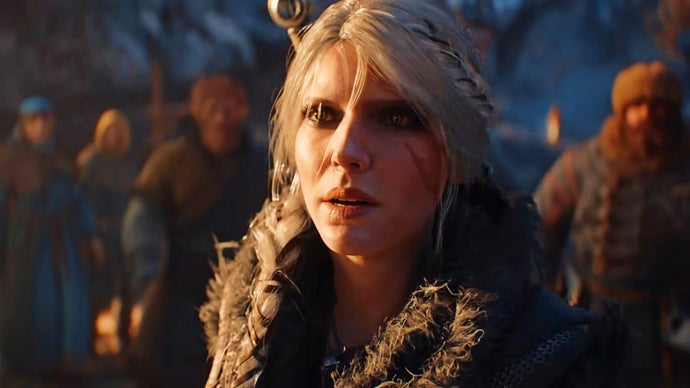
The Witcher 4, officially announced with a teaser trailer in December 2022, represents a significant shift for the franchise. Unlike the original trilogy that followed the adventures of Geralt of Rivia, a grizzled monster hunter based on the novels by Polish author Andrzej Sapkowski, this new installment will reportedly feature a different protagonist. Industry speculation suggests that Ciri, who played a major role in The Witcher 3: Wild Hunt as Geralt’s adopted daughter, may take center stage in this new adventure. The teaser trailer showed a mysterious medallion belonging to the Lynx School, a previously unexplored faction of witchers, hinting at entirely new narrative possibilities.
The Witcher franchise has grown into one of gaming’s most beloved properties since the first game launched in 2007. The Witcher 3: Wild Hunt, released in 2015, is widely considered one of the greatest role-playing games ever made, winning numerous Game of the Year awards and selling over 50 million copies worldwide. The series has also spawned a successful Netflix adaptation starring Henry Cavill and later Liam Hemsworth, further expanding the franchise’s cultural footprint and introducing the world of monster hunting to entirely new audiences.
Development Progress and Technical Ambitions
CD Projekt Red has been developing The Witcher 4 using Unreal Engine 5, marking a significant departure from their proprietary REDengine technology that powered both The Witcher 3 and Cyberpunk 2077. This transition to Epic Games’ cutting-edge engine is expected to allow for more detailed environments, improved character animations, and enhanced visual fidelity. The studio has reportedly been working closely with Epic to customize the engine for their specific open-world RPG needs, which could explain the extended development timeline.
The 2028 target also aligns with CD Projekt Red’s broader corporate strategy. The company has been restructuring its development approach, with multiple teams working on various projects simultaneously. Beyond The Witcher 4, the studio is also developing a Cyberpunk 2077 sequel, codenamed “Orion,” and has announced plans for additional Witcher games that could potentially run concurrently with the main series. This ambitious roadmap suggests that once The Witcher 4 launches, fans may not have to wait as long between subsequent installments.
Industry Context and Fan Expectations
The extended development period reflects broader trends in the AAA gaming industry, where major titles increasingly require five to seven years of development time to meet modern quality standards. Games like Rockstar’s Grand Theft Auto VI, which recently confirmed a 2025 release after nearly a decade of development, demonstrate that players are generally willing to wait for polished experiences. CD Projekt Red’s cautious approach suggests they have learned valuable lessons from past challenges and are prioritizing quality over speed, which should ultimately benefit the final product that millions of fans are eagerly awaiting.
Expert Opinion: The 2028 release window positions The Witcher 4 strategically in the next-generation gaming landscape, where it will likely compete with other major RPG releases. Given CD Projekt Red’s track record of post-launch support and their commitment to avoiding another troubled release, this extended timeline suggests a more polished product at launch. Industry analysts expect The Witcher 4 to be one of the defining games of the late 2020s, potentially setting new standards for open-world RPG design and narrative complexity.