The world of Westeros continues to captivate audiences years after the controversial conclusion of HBO’s landmark fantasy series Game of Thrones. Among the many divisive moments that sparked endless debate among fans, few were as emotionally devastating as the sudden and brutal death of Rhaegal, the green-scaled dragon named after Daenerys Targaryen’s beloved brother Rhaegar. Now, in an unexpected turn of events that has thrilled the devoted fanbase, Rhaegal is making an official return, bringing with him a wave of nostalgia and renewed excitement for the franchise that defined a generation of television.
The original death of Rhaegal in Season 8 remains one of the most hotly contested creative decisions in television history. The dragon met his end at the hands of Euron Greyjoy’s Iron Fleet, struck down by massive scorpion bolts while flying alongside his mother and surviving sibling Drogon. This shocking moment came just episodes after fans had already endured the heartbreak of watching Viserion fall to the Night King’s ice spear beyond the Wall, only to return as a terrifying undead wight dragon serving the army of the dead. The rapid loss of two of the three magnificent creatures that had become symbols of Daenerys’s power and identity left viewers reeling and questioning the narrative choices of showrunners David Benioff and D.B. Weiss.
The Legacy of Dragons in Westeros
Dragons have always been central to the mythology of George R.R. Martin’s sprawling fantasy universe. These magnificent fire-breathing creatures were first brought to Westeros by the Targaryen family when they conquered the Seven Kingdoms nearly three hundred years before the events of Game of Thrones. The original trio of dragons—Balerion the Black Dread, Vhagar, and Meraxes—helped Aegon the Conqueror unite a fractured continent under a single crown, establishing a dynasty that would rule for centuries. When the last dragons died out approximately 150 years before the main series, it was considered the end of an era, making Daenerys’s miraculous hatching of three dragon eggs in the funeral pyre of Khal Drogo one of the most pivotal moments in the entire saga.
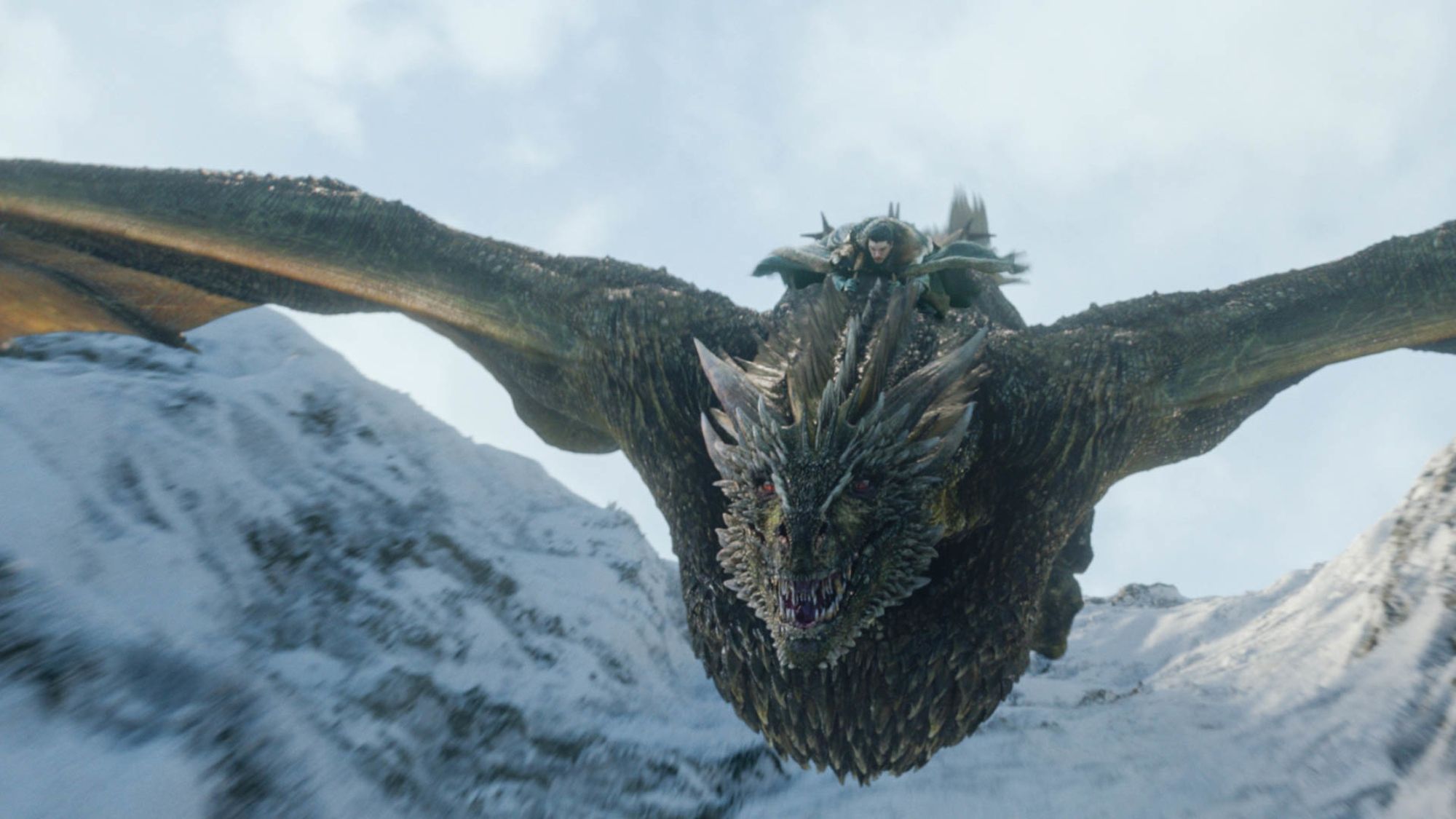
The significance of Rhaegal extended beyond his role as a weapon of war or symbol of Targaryen restoration. Named after Rhaegar Targaryen, the crown prince whose actions inadvertently sparked Robert’s Rebellion, this dragon carried tremendous symbolic weight. It was Rhaegal who Jon Snow—secretly Aegon Targaryen, son of Rhaegar—rode into battle against the Night King’s forces, marking only the second time in the show’s history that someone other than Daenerys had mounted one of her children. This profound moment connected Jon to his true heritage in a visceral, undeniable way, making Rhaegal’s subsequent death feel even more tragic and perhaps premature to many viewers who felt the storyline deserved more exploration.
Fan Response and Cultural Impact
The passionate response to Rhaegal’s death reflected the deep emotional investment that millions of viewers had developed over eight seasons of Game of Thrones. Social media erupted with criticism following the episode’s airing, with many fans arguing that such an important character deserved a more meaningful end rather than what felt like a sudden ambush designed purely for shock value. The scene sparked broader conversations about the final season’s pacing and whether the compressed episode count had forced storytellers to rush through plot points that deserved more careful development. Despite these controversies, the enduring popularity of the franchise has led to multiple spin-off projects, including House of the Dragon, which explores the Targaryen civil war known as the Dance of the Dragons and features numerous dragon characters.
The return of Rhaegal in official capacity demonstrates HBO’s continued commitment to expanding the Game of Thrones universe and honoring fan favorites. Whether through merchandise, expanded universe content, or potential future adaptations of material from George R.R. Martin’s books, the green dragon’s comeback signals that the network understands what resonated most deeply with audiences. As the franchise continues to evolve with new series and projects in development, the restoration of beloved characters like Rhaegal offers hope that the magic of Westeros will continue enchanting viewers for years to come, perhaps even addressing some of the storylines that fans felt were cut short in the original series.
Expert Opinion: The resurrection of Rhaegal in official Game of Thrones content represents a strategic acknowledgment by HBO that fan attachment to the dragons transcended their narrative function. This move likely signals a broader approach to the franchise’s future, where beloved elements from the original series may be revisited or expanded upon in ways that address lingering fan dissatisfaction while generating renewed engagement with the intellectual property.