
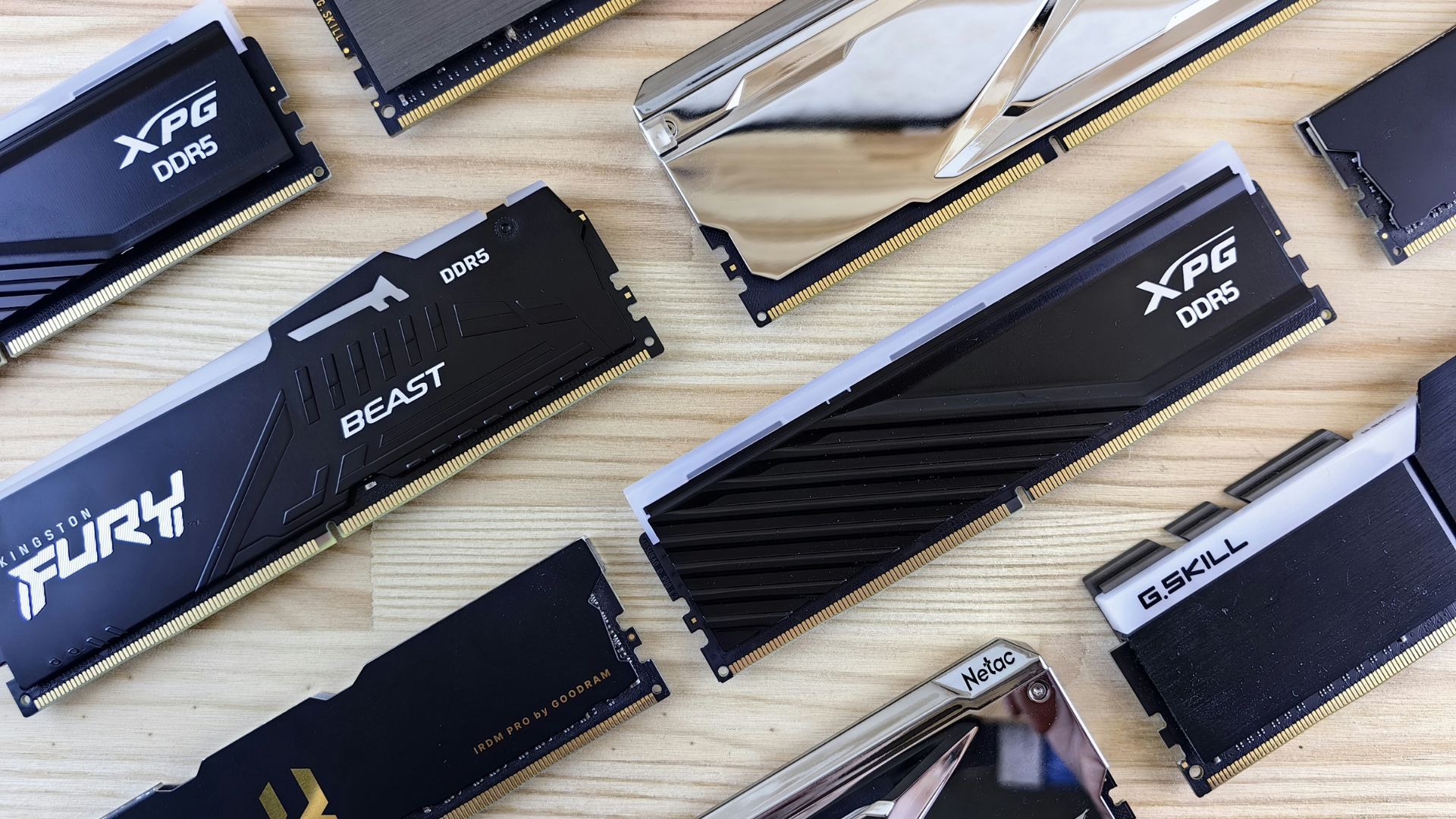
Consumers hoping for relief from high memory prices may need to temper their expectations, as the world’s three largest DRAM manufacturers have reportedly already filled their production capacity for 2027. This unprecedented demand signals that the memory supply crunch affecting everything from gaming PCs to data centers will persist well into the latter half of the decade, keeping component prices elevated for the foreseeable future.
The news comes as Samsung, SK Hynix, and Micron Technology — the trio that collectively controls approximately 95% of the global DRAM market — continue to prioritize high-bandwidth memory (HBM) production for artificial intelligence applications. This strategic shift has created a ripple effect throughout the entire memory ecosystem, leaving traditional DDR5 modules for consumer devices competing for increasingly scarce manufacturing slots.
The AI Boom Reshaping Memory Production
The explosive growth of artificial intelligence has fundamentally transformed the memory industry over the past two years. Companies like NVIDIA require massive quantities of HBM chips for their AI accelerators, with each high-end GPU containing multiple HBM stacks worth thousands of dollars. This lucrative market has incentivized DRAM manufacturers to convert existing production lines and allocate new capacity primarily toward AI-focused memory products, which command significantly higher profit margins than standard computer RAM.
Industry analysts estimate that HBM production will consume an increasingly large share of available DRAM manufacturing capacity through 2027 and beyond. SK Hynix, currently the market leader in HBM technology, has reportedly signed multi-year supply agreements with major AI chip designers, effectively locking in their production capabilities years in advance. Samsung and Micron have followed similar strategies, leaving minimal flexibility to respond to fluctuations in consumer memory demand.
Historical Context and Market Dynamics
The memory industry has historically been characterized by boom-and-bust cycles, with periods of oversupply driving prices down dramatically before shortages sent them soaring again. However, the current situation represents a structural shift rather than a typical cyclical fluctuation. Building new semiconductor fabrication facilities requires investments of $15-20 billion and takes three to four years to complete, meaning that today’s capacity constraints cannot be quickly resolved even if manufacturers wanted to expand production.
The last major memory shortage occurred during 2017-2018, when smartphone manufacturers and cryptocurrency miners competed for limited DRAM supplies, pushing DDR4 prices to record highs. While that shortage eventually eased as new capacity came online, the current AI-driven demand appears more sustained and transformative. Unlike cryptocurrency mining, which proved volatile, enterprise AI adoption shows no signs of slowing, with major technology companies committing hundreds of billions of dollars to AI infrastructure investments.
Implications for Consumers and Builders
For PC enthusiasts, gamers, and system builders, the outlook suggests that waiting for significant price drops on DDR5 memory may prove futile in the near term. Current DDR5 pricing has already stabilized at levels considerably higher than the historical trajectory seen during previous memory generation transitions. While modest fluctuations will occur based on seasonal demand and inventory levels, the fundamental supply constraints suggest a higher price floor than many consumers anticipated.
Enterprise customers face similar challenges, with server memory costs remaining elevated as cloud providers and data centers compete for available supply. Some organizations are reportedly extending hardware refresh cycles or exploring alternative architectures to mitigate the impact of persistent memory costs on their IT budgets. The situation has also renewed interest in emerging memory technologies like CXL-attached memory pools, which promise more efficient utilization of available DRAM resources across data center infrastructure.
Expert Opinion: The memory industry is experiencing a fundamental rebalancing driven by AI’s insatiable appetite for high-bandwidth memory. Unlike previous supply crunches that resolved within 18-24 months, this capacity allocation toward HBM production represents a multi-year commitment that will structurally support higher consumer memory prices through at least 2028. Savvy buyers should consider current pricing as the new baseline rather than waiting for a return to pre-AI era price levels that may never materialize.