The weight of expectation is a familiar burden for creators following up on critically acclaimed work. Whether it’s a television spinoff that fails to capture lightning in a bottle twice, or an ancient epic’s forgotten sequel, the pressure to deliver something that matches or exceeds the original is immense. Now, three years after the release of Lies of P, the acclaimed 2023 action RPG that many consider the finest Soulslike game not developed by genre pioneers FromSoftware, the team at Neowiz’s Nough Studio is openly grappling with the challenge of creating a worthy successor. The Korean development team took home numerous prestigious awards following the game’s launch and confirmed a sequel was in active development, but as production continues, the developers are candidly discussing the mounting pressure they face to deliver something even more impressive.
In a recently released behind-the-scenes video from Nough Studio, key members of the development team reflected on their journey from relative obscurity to industry recognition. Narrative director Kwon Byungsoo offered a particularly candid perspective on how success has changed the team’s mindset. “Back then, attending an awards ceremony or standing on that stage felt like something that happened to other people,” Byungsoo explained. “I used to think, ‘I wish I could stand there someday.’ Now I find myself thinking, ‘we have to do even better next time. How much better do we need to be?'” This shift from aspirational outsiders to recognized industry leaders has fundamentally altered how the team approaches their work.
From Blank Canvas to Established Foundation
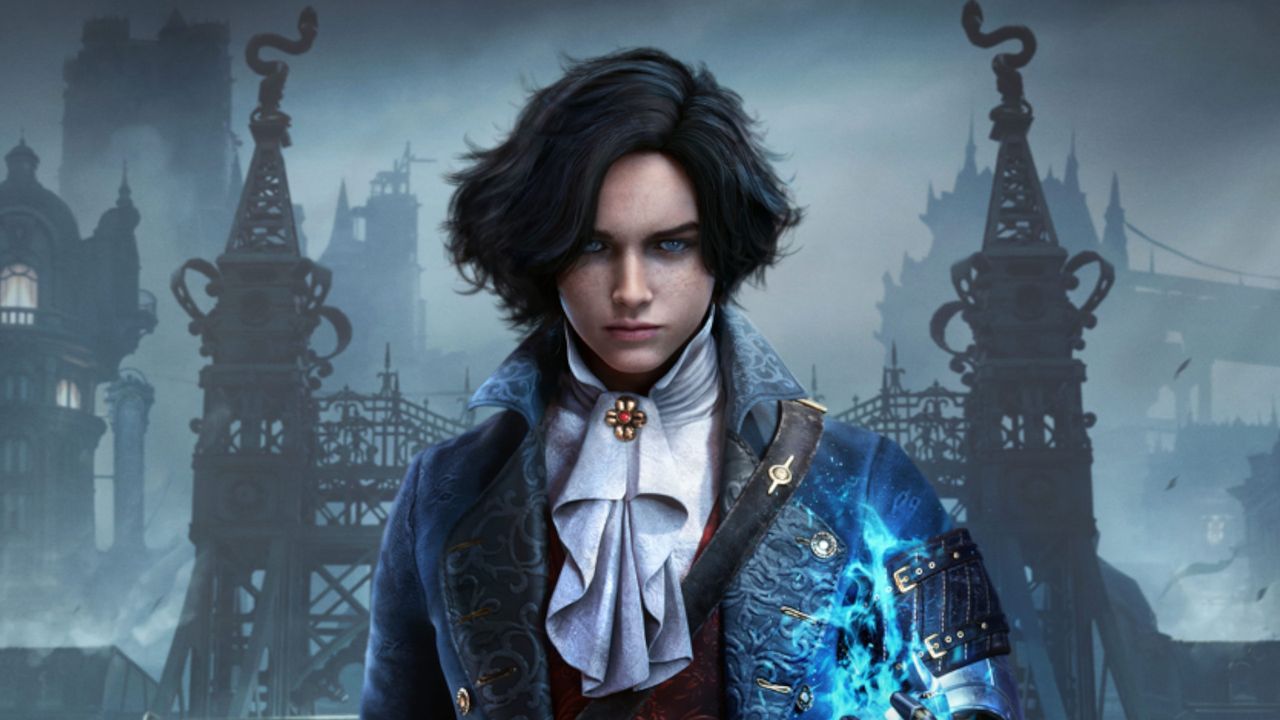
The original Lies of P presented a unique creative challenge that, paradoxically, may have been easier to navigate than the current situation. When development began, the team had complete creative freedom with no expectations to meet. “When we first started, we were building from a completely blank slate,” Byungsoo noted. “We kept asking ourselves just how far we could go. Now Lies of P is our starting point. The question now is how much more we can build from here.” This observation highlights a fundamental truth about sequel development: previous success creates a floor that must be exceeded, not merely matched. The original game drew inspiration from Carlo Collodi’s classic tale of Pinocchio, reimagining the puppet’s journey as a dark, gothic adventure through the plague-ridden city of Krat. The game’s distinctive Victorian-era aesthetic, combined with tight combat mechanics and a compelling narrative about humanity and lies, resonated strongly with players seeking alternatives to FromSoftware’s offerings.
Within the broader Soulslike genre, Lies of P has earned a remarkable reputation. Industry observers and dedicated fans of the punishing action-RPG subgenre consistently rank it as the premier Soulslike experience outside of FromSoftware’s legendary catalog, which includes Dark Souls, Bloodborne, Sekiro, and Elden Ring. This is particularly impressive given the fierce competition in the space. Games like Black Myth Wukong, the Nioh series from Team Ninja, and the rebooted Lords of the Fallen have all vied for the attention of Soulslike enthusiasts, yet Lies of P managed to distinguish itself through its unique setting, refined combat systems, and innovative weapon assembly mechanics that allowed players to combine different blade and handle components.
Balancing Pressure with Creative Focus
Despite the mounting expectations, the development team is attempting to maintain the same creative approach that led to their initial success. Art lead Cha Byungjun acknowledged the pressure directly while explaining the team’s strategy for managing it. “There’s definitely pressure, but for now we’re trying to set that aside and return to the mindset we had while making Lies of P,” Byungjun stated. “We’re trying to hold onto it.” This approach of recapturing the original creative spirit raises interesting questions about whether the sequel will deliver the same level of innovation that helped refine the Soulslike formula in the first place. The original game introduced several mechanical innovations, including the Fable Arts special attack system and the Legion Arm prosthetic abilities, which gave players extensive customization options while maintaining the genre’s signature difficulty.
Director Choi Juwon offered insight into how the entire development team has internalized the challenge ahead. “When we were making Lies of P, there was a real sense of excitement and anticipation,” Juwon reflected. “But when I look at the team now working on our next project, everyone is seriously thinking about how we can do even better. They seem to be grappling with the same questions I am. So now, our drive to push ourselves further has only grown stronger.” The Soulslike genre continues to evolve rapidly, with each new entry raising the bar for combat design, world-building, and player agency. FromSoftware’s Elden Ring, released in 2022, expanded the formula into an open world and became one of the best-selling games of all time, fundamentally shifting expectations for what the genre could achieve. Any sequel to Lies of P will inevitably be measured against these evolving standards, making the team’s task even more challenging as they work to carve out their own distinct identity in an increasingly crowded marketplace.
Expert Opinion: Nough Studio faces the classic sophomore challenge that has derailed many promising franchises, but their self-awareness about the pressure they face is actually a promising sign. Studios that openly acknowledge the difficulty of following up success tend to approach sequel development with greater intentionality and creative rigor. If they can successfully balance fan expectations with genuine innovation rather than simply iterating on established mechanics, Lies of P 2 could potentially challenge FromSoftware’s dominance in a way no other developer has managed since the Soulslike genre emerged over a decade ago.